Summary
EatMise was my startup experience born out of the pandemic and demonstrates my capability to work in different domains across an entire business from inception to acquisition. This experience allowed me to showcase how design was able to impact user experience and business development from an idea in my head to a delicious meal cooked on your plate.
A Startup Journey
Growing up, my parents always told me to never open a restaurant. They knew the trials, tribulations and hardships of opening a restaurant. The constant worry of monthly payments adding up and not only whether or not we'd survive as a business, but as a family of immigrants in this new country we'd call home.
And the data backs up my parents claim; 3 out of 5 restaurants fail within the first year of operation. There's many reasons for these failures, but as new immigrants of the Greater Boston area, this was the only playbook. Pool enough money to open up a Chinese restaurant and hope that we survive and make enough to retire and hopefully pass on a little bit to the next generation.
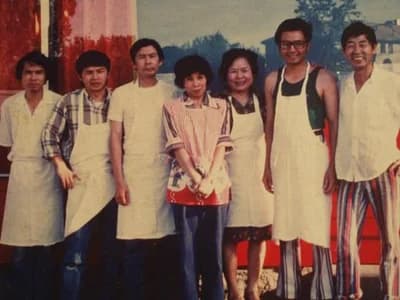
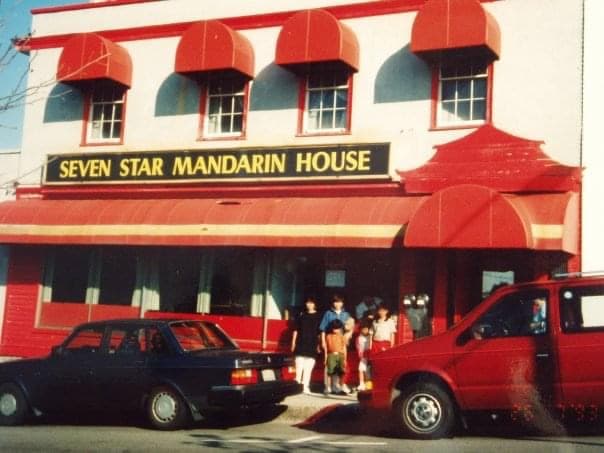
While the restaurant has been closed for over twenty years, the memories of the food and the people still live on. And who would've thought spending that much time playing & working in a family restaurant would help my own business venture down the line.
One Box - Endless Possibilities
Fast forward to summer 2020 - a time of profound change, political upheaval and of course a worldwide pandemic. As the world stayed home, businesses and especially restaurants began to close and my future co-founder and I began to question the status quo and wondering if there was anything we could do to help them.
The problem: Restaurants are in trouble - The pandemic has triggered changes in eating habits that will continue to challenge the food industry once the pandemic is over.
The solution: Help create a new revenue stream in the home cooking market - By offering the home cook an attractive alternative, restaurants can grab share from a new market that is large and incremental.
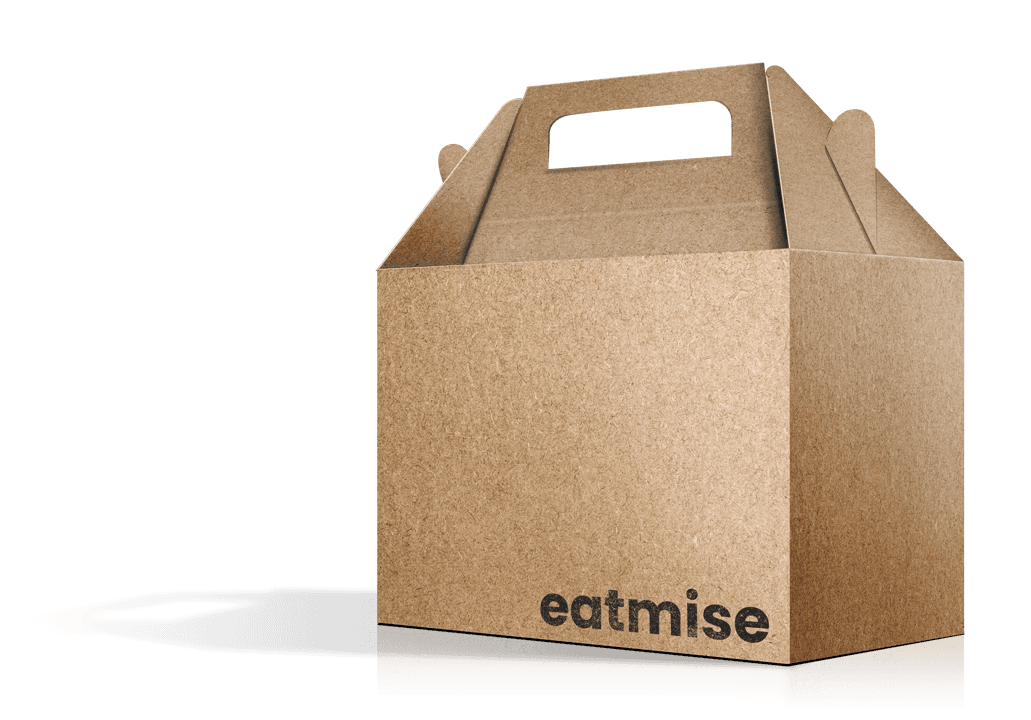
EATMISE: A RESTAURANT MEAL KIT PLATFORM
User Experience
EatMise began as an attempt to bridge the gap between meal kits and restaurant-quality food, but early on I identified that the real issue wasn't just quality - it was effort. Existing kits required too much prep, which broke the value proposition for busy professionals. Because of this, I reframed our product direction toward a low-effort, high-quality cooking experience.
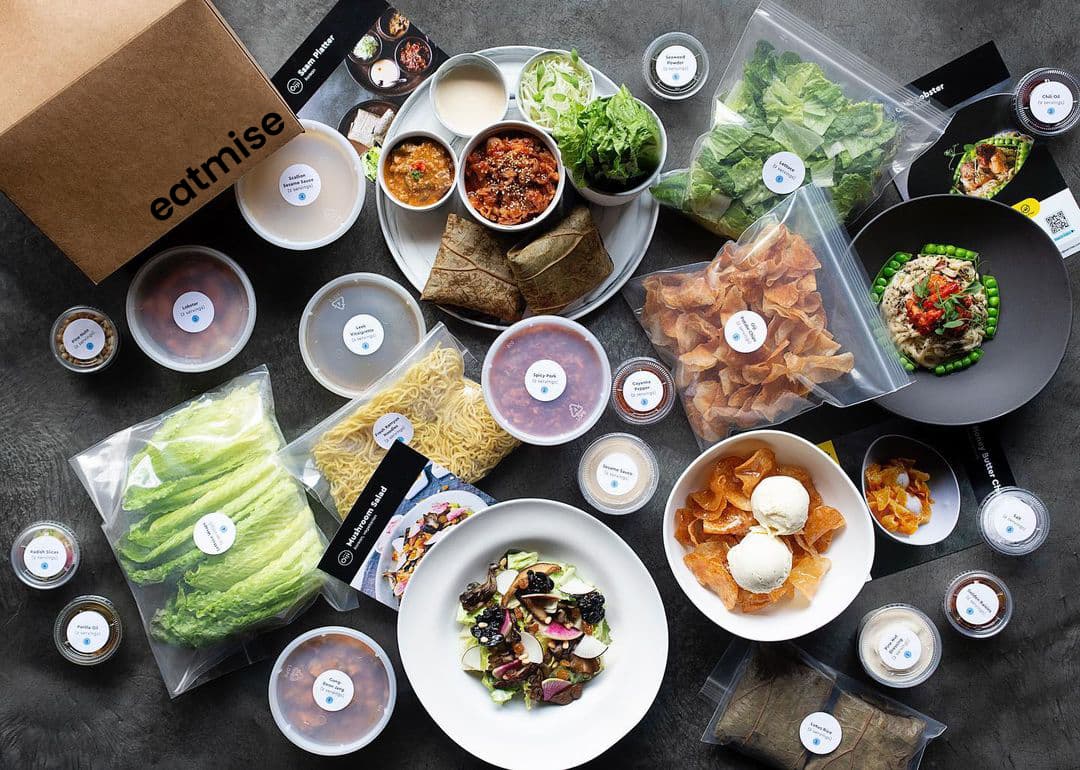
I led the design of the end-to-end user experience, from discovery to cooking. This included simplifying recipes into 5 step ~15-minute flows, mapping ingredients directly to steps (cook-by-numbers), and reducing cognitive load during cooking. I also introduced a concierge-style SMS system instead of a native app, allowing users to manage subscriptions and receive recommendations with minimal friction. These decisions shifted the product from a typical meal kit to a service-oriented experience, improving usability and retention by meeting users where they already were.
Web platform
Branding & Marketing
From the start, I saw that trust and perceived quality would define success, so I led the creation of the EatMise brand to position it closer to a premium lifestyle product than a commodity food service. I developed the name (inspired by mise en place), visual identity, and art direction, including packaging, photography, and marketing materials.
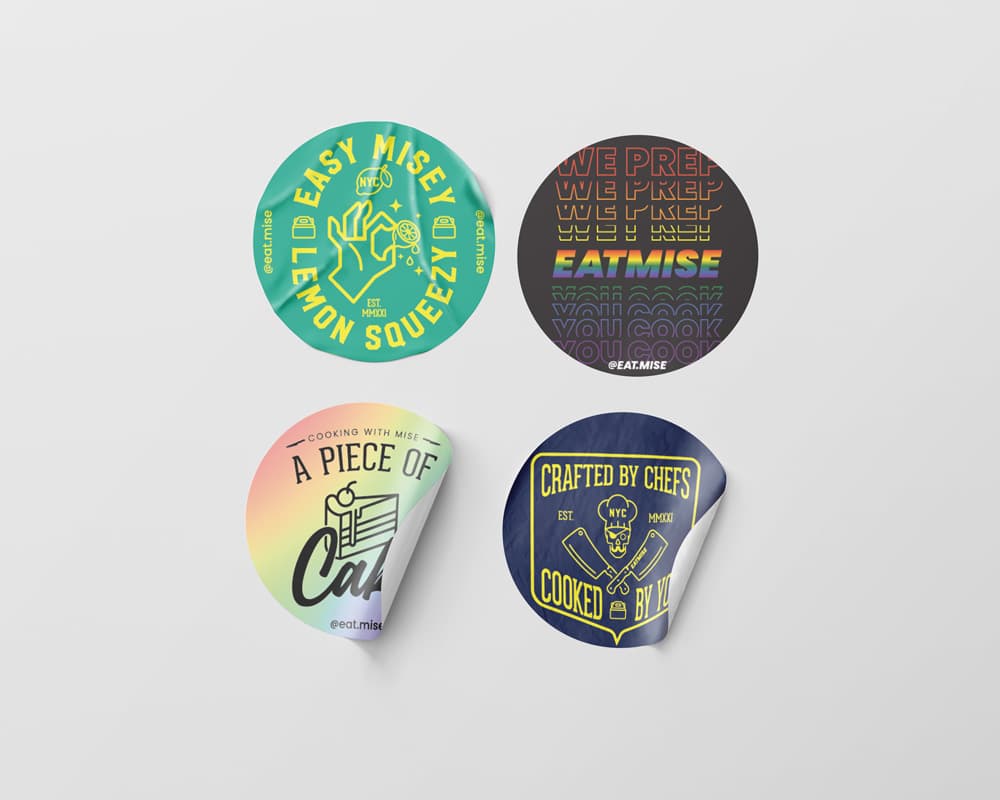
This wasn't just aesthetic - branding directly influenced product perception and partner acquisition. By elevating the visual system, I helped attract higher-end restaurant partners and set expectations for quality before users even engaged with the product. The brand became a strategic tool that aligned the entire experience, from onboarding to unboxing, reinforcing consistency and credibility.
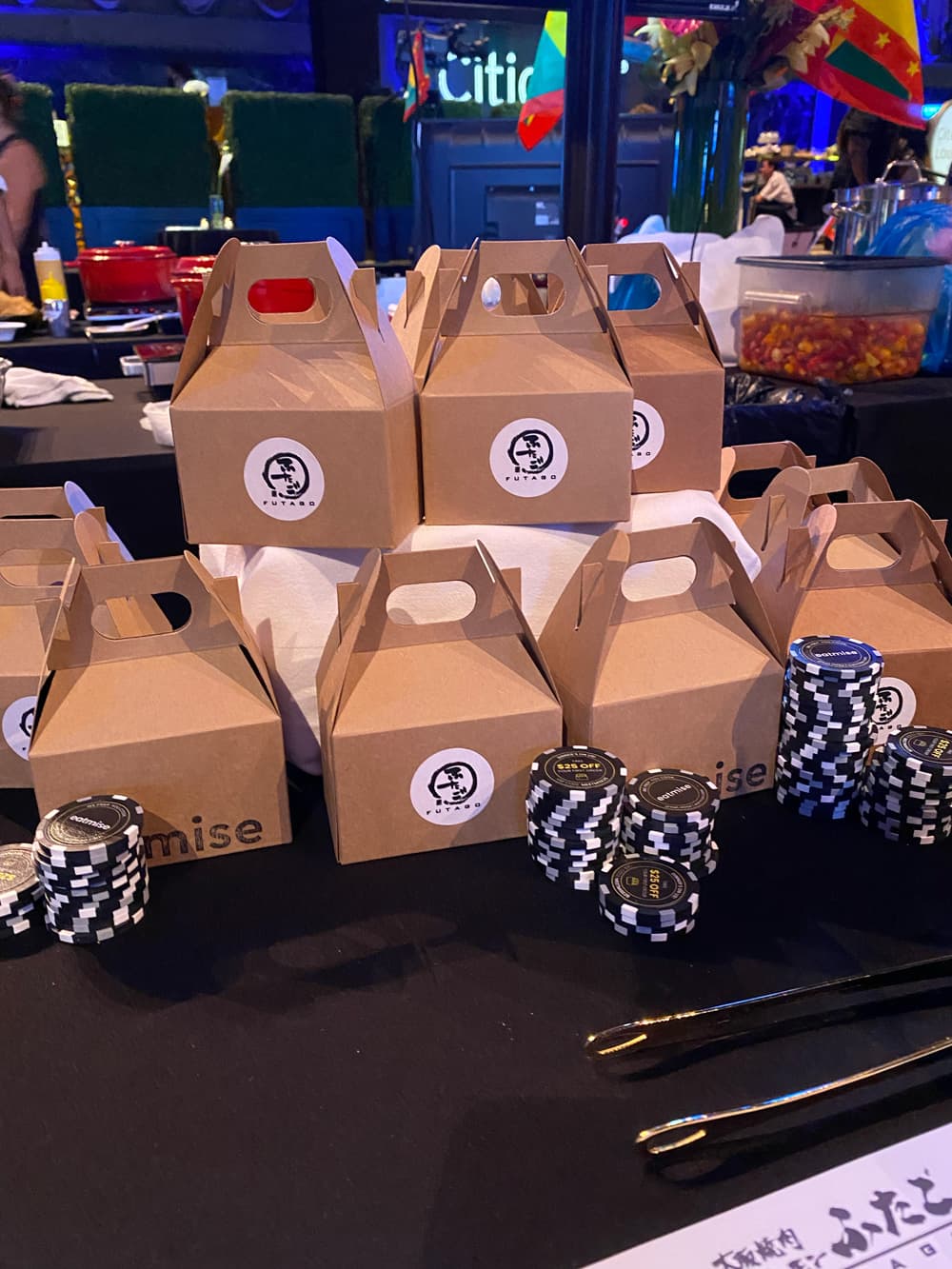
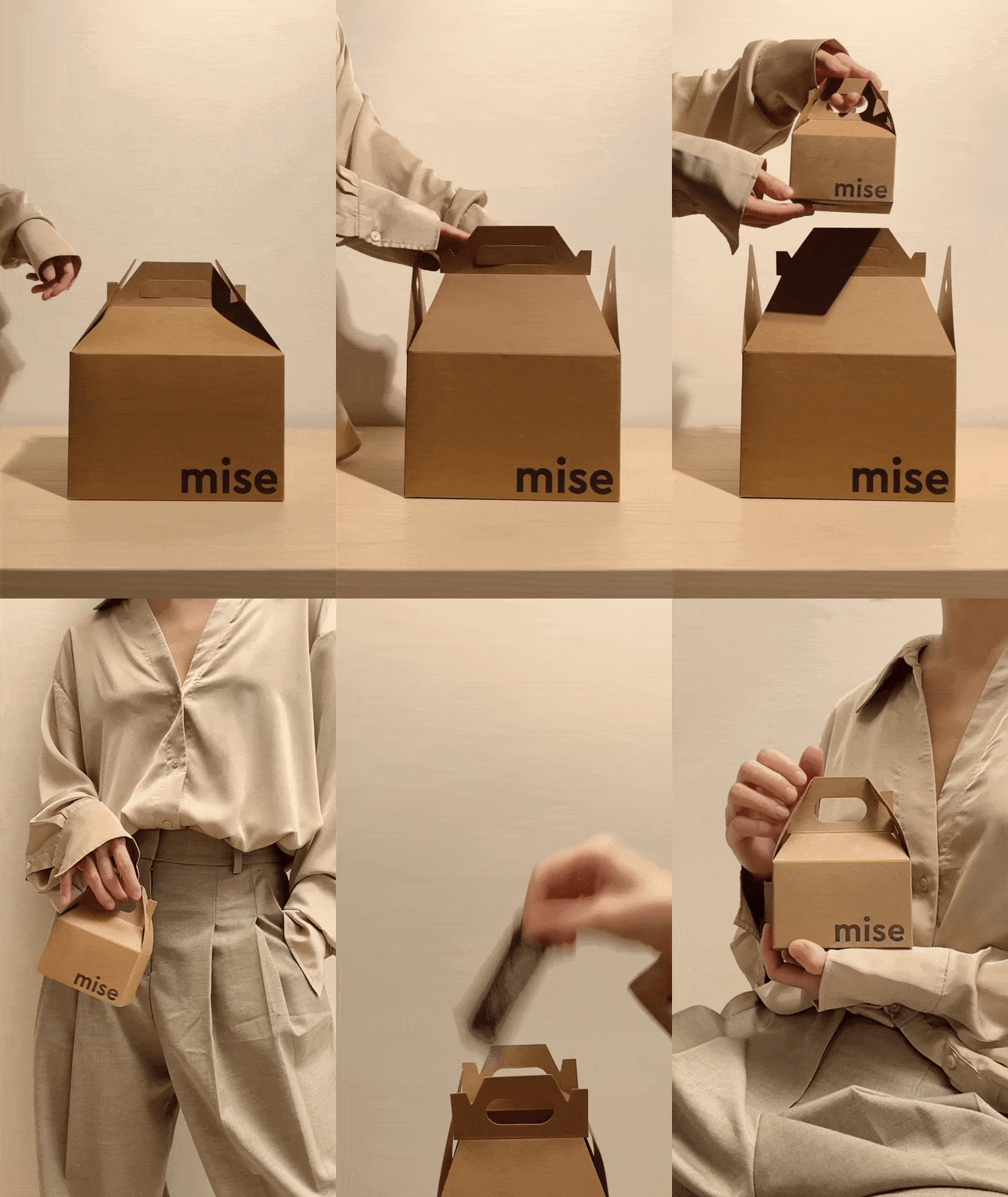
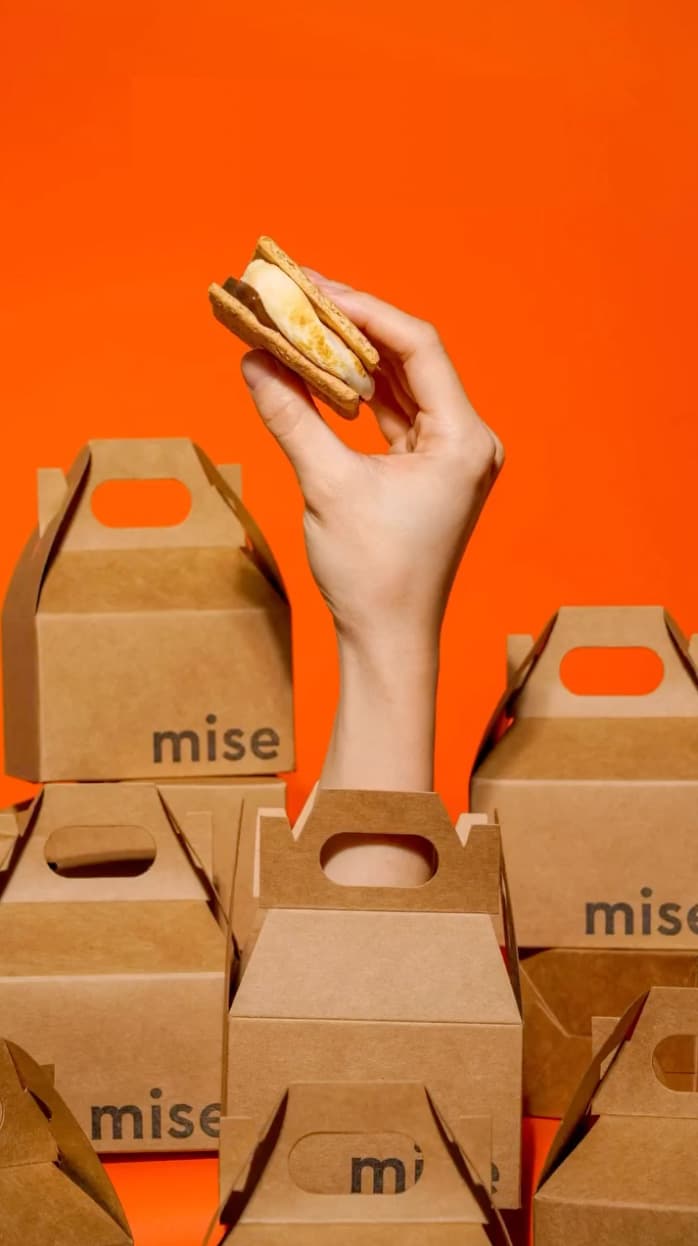
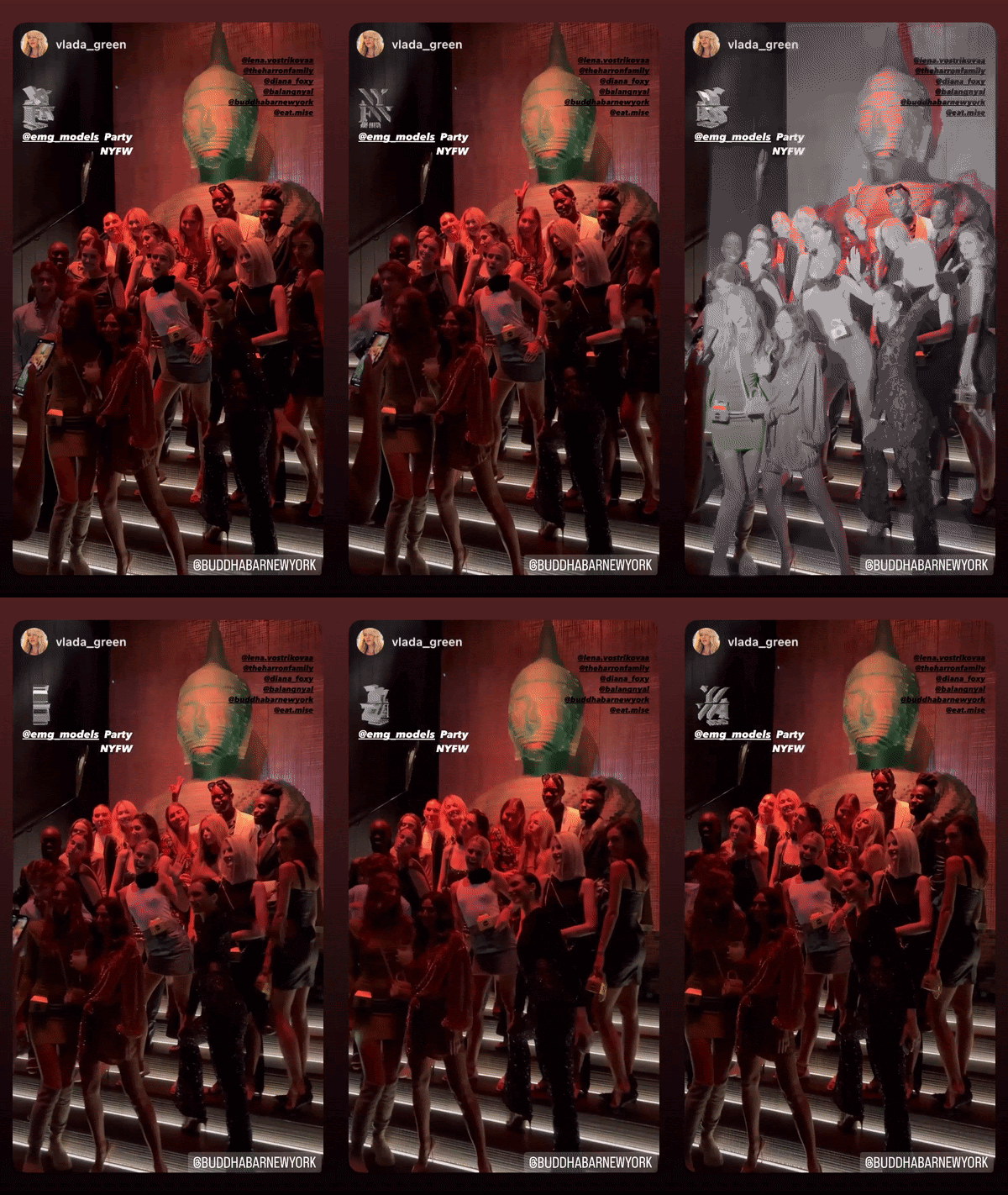
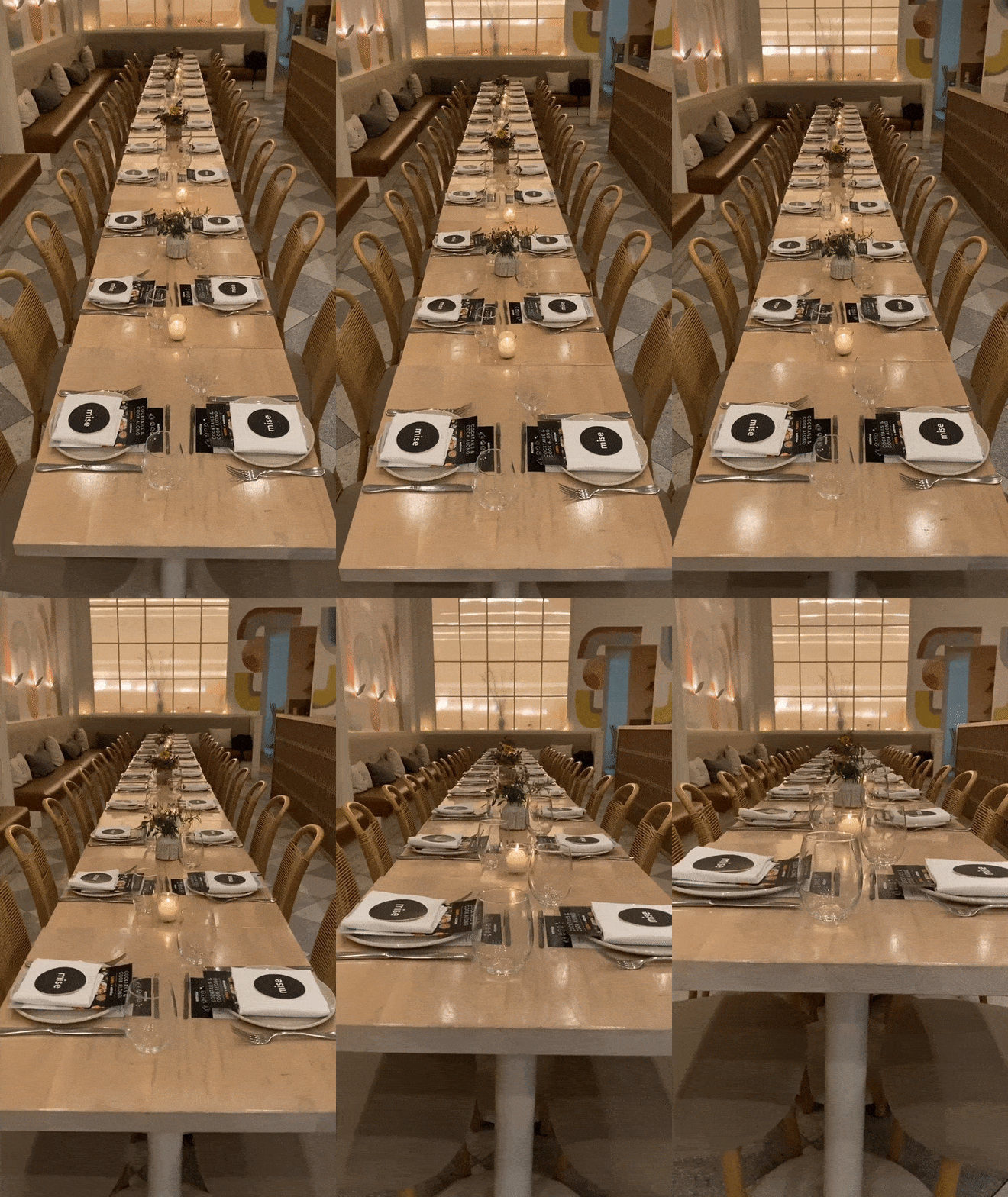
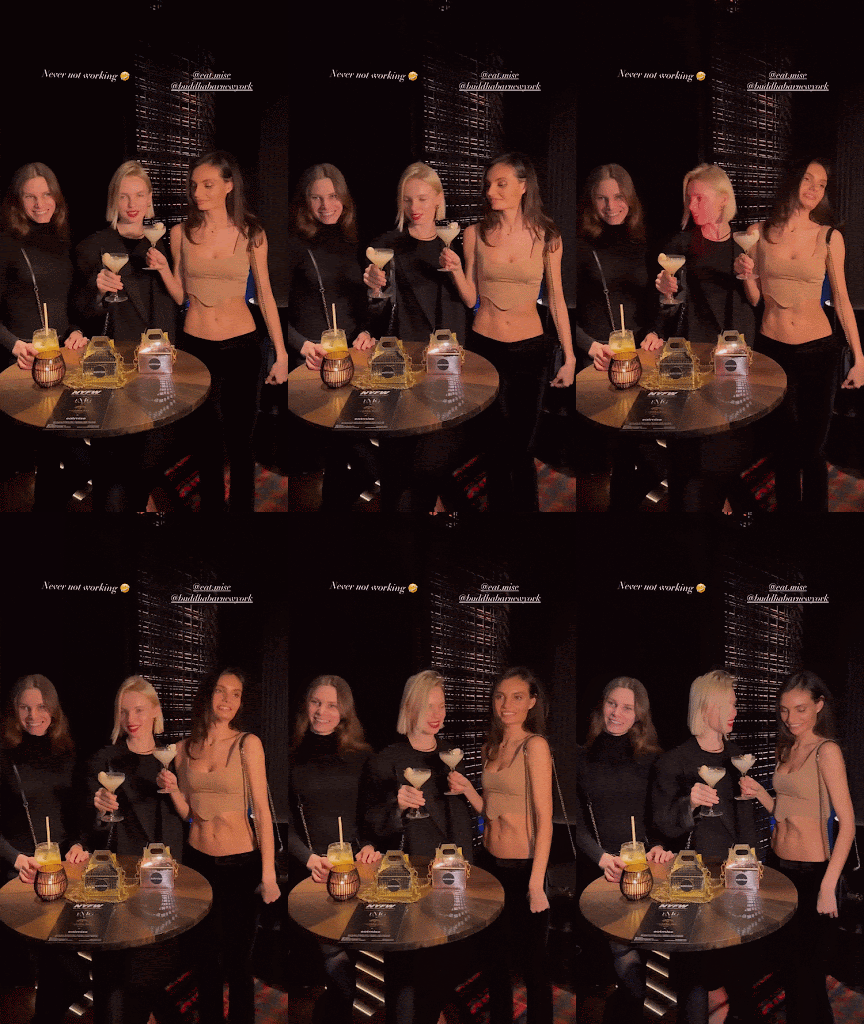
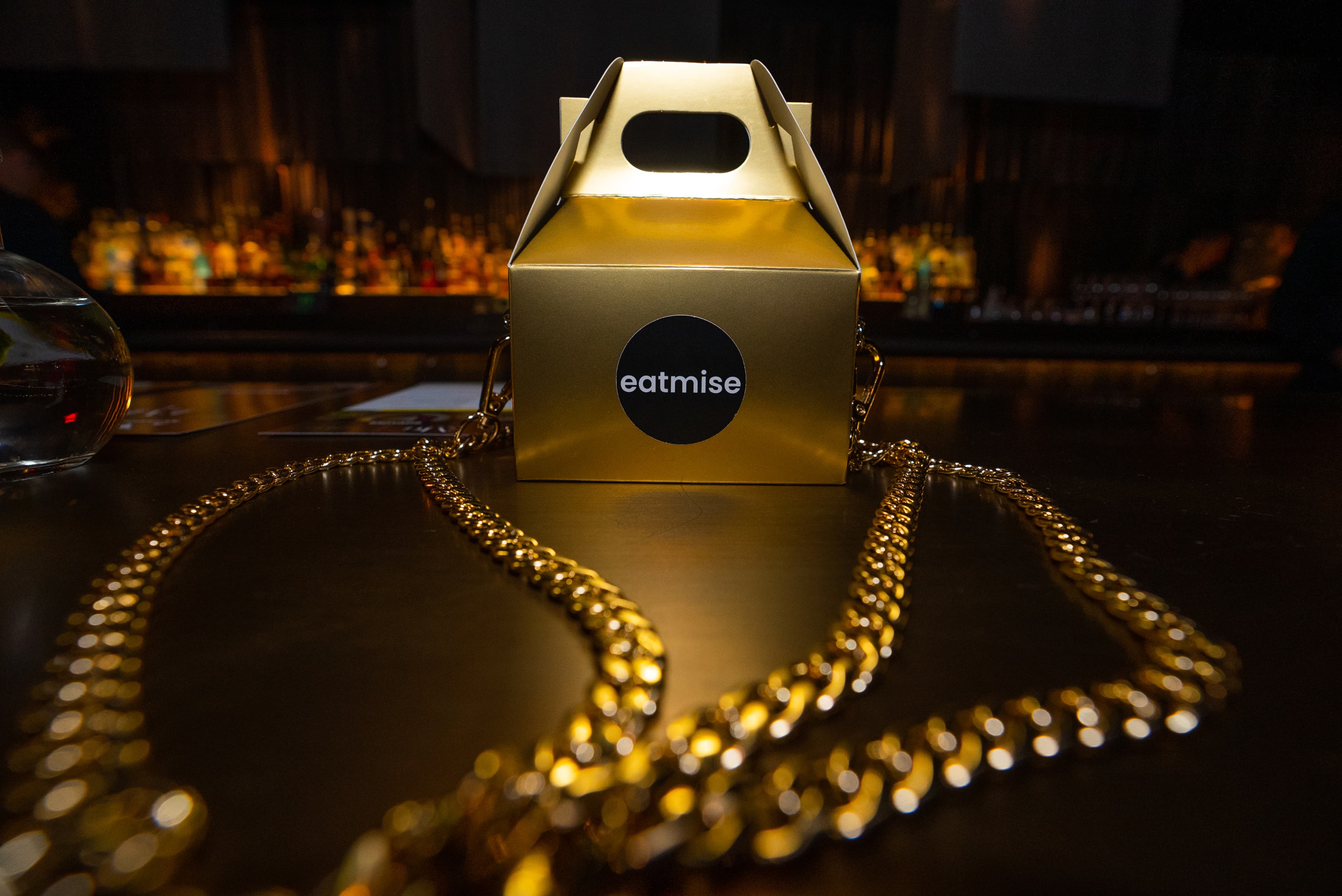
This elevated aesthetic would also help with marketing and one of most successful intiatives was the Mini Mise box. As a new product that needed some explaining, we thought that a miniature version of our product as a little take-home gift would be a great idea in helping customers understand who we are. As our marketing events grew, so did the evolution of the Mini Mise box. We were invited to throw an after-party for New York Fashion Week for EMG Models. As we scrambled to finalize details, I was able to evolve the Mini Mise box as a fashion accessory accompany the night's festivities.
Business & Product Strategy
As a co-founder, I contributed beyond design by shaping the core business model and go-to-market strategy. Early on, I recognized that success depended on balancing a three-sided marketplace (restaurants, customers, logistics), so I helped define a curated partner model rather than an open marketplace to maintain quality control.
I also pushed for a subscription-based model to drive retention and predictable revenue, while introducing tactics like "Mini Mise" sample kits to lower the barrier to entry and support acquisition through events. On the operations side, I worked closely with restaurant partners to translate their dishes into scalable meal kits, ensuring consistency between the in-restaurant and at-home experience.
Result
Across UX, branding, and business, my role was not just execution but direction-setting - identifying where the product was falling short and steering it toward a more cohesive, scalable, and differentiated experience.
EatMise reflects my ability to operate across disciplines, using design to shape both user experience and business outcomes. All these decisions helped evolve EatMise from a simple idea into a viable, differentiated business, ultimately leading to its acquisition by WECO Hospitality in 2024.